
SumoBaby Game Introduction and Rules
Explore the immersive world of SumoBaby, a unique and engaging game combining traditional Sumo wrestling with innovative elements.


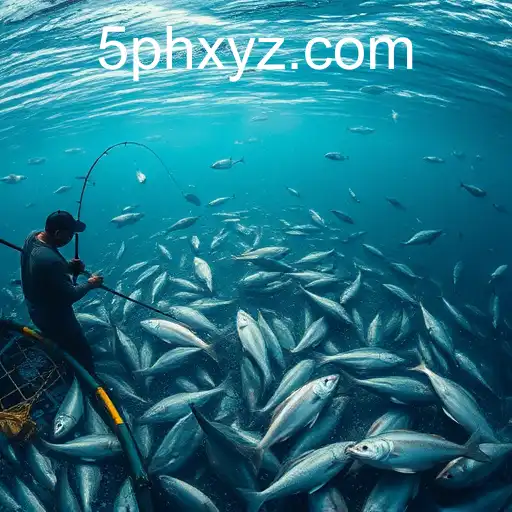
Fishing, an ancient practice, is a fascinating intersection of tradition, technique, ecology, and economy. From subsistence angling to recreational ventures, the world of fishing encompasses a diverse spectrum of activities driven by both necessity and pleasure. Through this piece, we delve into the intricacies of fishing with particular emphasis on the intriguing aspect of '5PH'.
From the time humanity began settling near water bodies, fishing has been pivotal in sustaining communities. Ancient techniques varied from hand gathering to the invention of lines and hooks made from natural materials. Early evidence of fishing, such as bone tools and netting systems, marks this practice as one of the oldest food procurement activities. Over centuries, traditional methods have evolved, adapting to technological advances while preserving rich cultural elements.
When it comes to modern fishing, techniques such as '5PH' play a critical role in enhancing productivity and sustainability. While the term might sound technical, '5PH' represents a fishing methodology focused on five pertinent elements: Survey, Plan, Harvest, Preserve, and Heal. Understanding each component can allow both enthusiasts and professionals to approach fishing with a holistic mindset.
The initial phase of '5PH', surveying involves studying the fishing environment comprehensively. This step demands attention to fish populations, aquatic ecosystems, and environmental factors. Understanding water temperature, nutrient availability, and fish behavior during different seasons ensures a well-informed strategy. Technology, such as sonar devices and GPS mapping, aids in conducting precise surveys that inform the subsequent fishing strategy.
Planning embodies the strategic part of '5PH'. Here, fishermen or fishing businesses define objectives, whether it’s volume maximization, species-specific capturing, or seasonal fishing. Planning involves selecting suitable equipment, identifying fishing times, scheduling operations, and laying out contingency plans for unexpected weather or ecological changes. Effectively executed plans are crucial in balancing between yield maximization and resource conservation.
Harvesting is the act of fishing itself. Techniques vary significantly, including netting, trawling, angling, and cage fishing. Each method has unique applications depending on the target species and environment. The choice of technique impacts efficiency and environmental footprint, with sustainable practices minimizing the disturbance to marine habitats. Regulatory compliance during this phase is important for conserving marine biodiversity.
Post-capture preservation is vital in ensuring the quality and usability of fish products. Techniques such as refrigeration, salting, canning, and freezing extend the shelf-life of fish, facilitating transport and storage. Preservation techniques also play a role in reducing post-harvest loss, a significant challenge in global fisheries. Implementation of hygienic and efficient preservation processes ensures fish products meet safety and quality standards.
Healing refers to rehabilitating fishing ecosystems impacted by fishing activities. Overfishing, habitat destruction, and pollution pose significant threats to marine environments and species diversity. Healing actions include restocking programs, habitat restoration initiatives, pollution control measures, and regulatory compliance monitoring. These efforts are essential to preserve fishing practices for future generations and maintain ecological balance.
Fishing isn't merely a means of subsistence; it contributes significantly to economies worldwide. Commercial fisheries supply over half a billion people with employment, while contributing to food security and international trade. At the same time, recreational fishing has emerged as a popular leisure activity, fostering community building and ecological awareness. Understanding its economic value highlights the importance of sustainable practices.
For many coastal communities, fishing forms the fabric of cultural identity and tradition. Various festivals, rituals, and folklore center around fishing, as it has historically dictated lifestyles and community structures. Preserving these cultural elements requires a deep respect and understanding of traditional fishing methods alongside modern practices. Engaging younger generations in fishing traditions ensures the vitality of cultural heritage associated with fishing.
By understanding the complexities and multifaceted nature of fishing through frameworks such as '5PH', we acknowledge the delicate balance between utilizing natural resources and maintaining ecological and cultural integrity. The application of strategic methodologies fosters sustainable fishing practices, nurturing an environment where both human and marine life flourish. As technology continues to evolve, embracing innovative yet sustainable practices ensures fishing remains a vital component of human civilization.
If you're looking for a reliable, fully licensed, and secure sportsbook with a wide selection of games, 5PH is the perfect choice. We're committed to providing you with the best online betting experience, with premium quality, excellent service, and continuous innovation. Sign up now and receive ₱777 for free!
Join now
Get the latest information, experience and betting strategies from the expert team at 5PH.
Explore the immersive world of SumoBaby, a unique and engaging game combining traditional Sumo wrestling with innovative elements.

Explore the world of TREASURECRUISE with a focus on its exciting gameplay, intriguing rules, and the unique 5PH keyword.

Dive into the captivating world of WAROFTHEUNIVERSE, a unique strategy game that challenges players with its innovative mechanics and intricate gameplay.

Dive into the exhilarating world of BountyFrenzy, where cutting-edge gameplay meets endless adventure. Discover the game's mechanics, storyline, and its unique 5PH feature set.

Explore the thrilling world of PirateTreasure, the captivating game that combines strategy, adventure, and discovery through its unique 5PH gameplay mechanics.

Discover the immersive experience of MagicTime, the captivating fantasy game that combines enchantment with strategic gameplay.
 Join now